House of Diamonds is devoted to delivering sustainable, just, and ethically crafted fine jewellery to our clientele. We pledge to never offer gemstones that have supported armed rebel movements or activities that contribute to human suffering.

How do diamonds form?

Diamonds, consisting of pure carbon, are naturally occurring gems located within the Earth's surface. Formed deep within the Earth's mantle, approximately 150 kilometers below the planet's crust, natural diamonds develop within a high-pressure environment where temperatures soar above 1000 degrees Celsius.

Under these extreme conditions, carbon atoms undergo crystallization, initiating the formation of the initial diamond seed. The exact duration required for a diamond to develop remains uncertain, with scientists estimating a range from a few days to potentially millions of years. These natural diamonds, typically nestled within significant rock masses called xenoliths, are eventually propelled to the Earth's surface due to seismic activities such as volcanic eruptions.
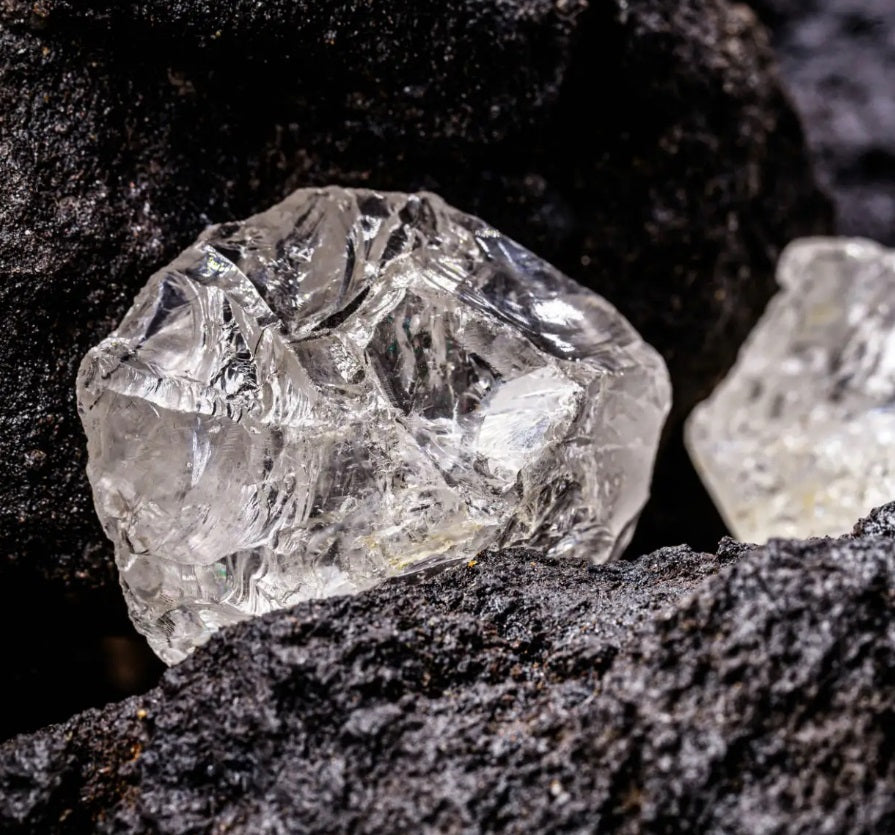
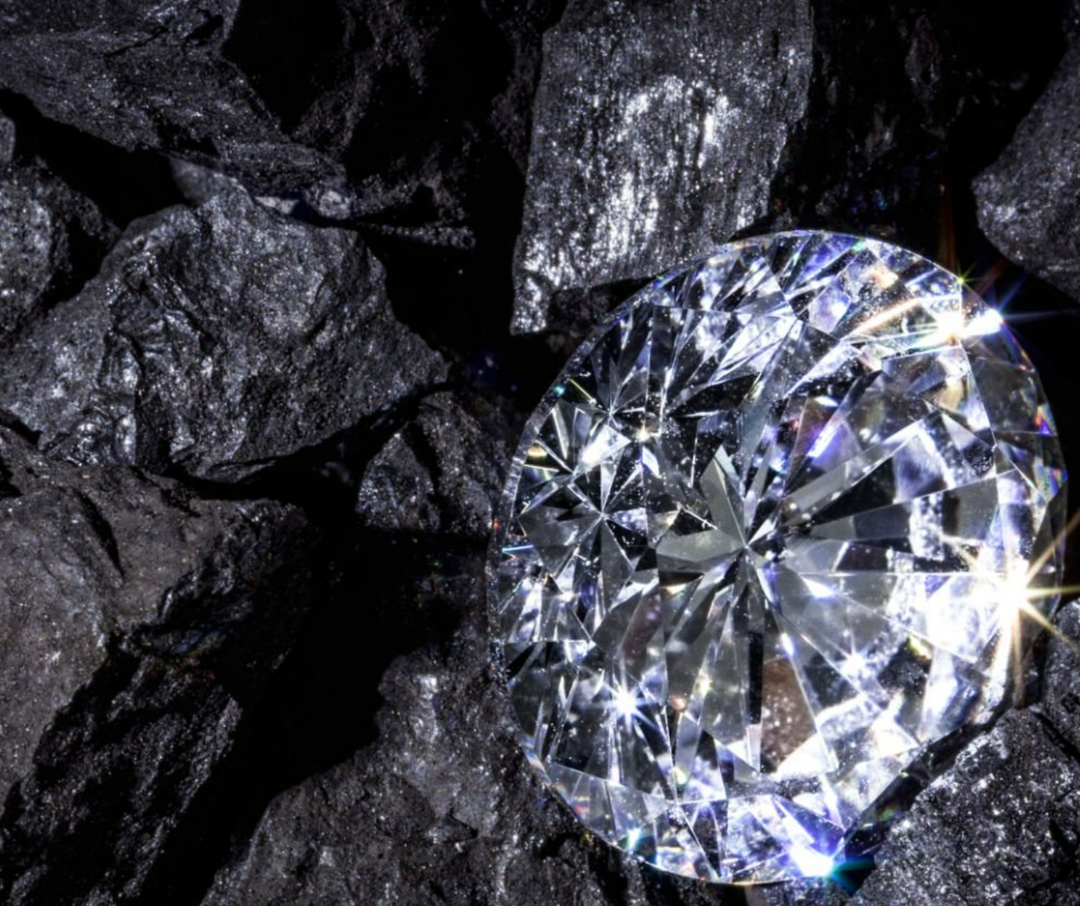
Conflict Diamonds

Sourced globally, natural diamonds, although small, carry substantial value and have long been embroiled in trade disputes. Historically, unregulated diamond mining led to the creation of 'blood' or 'conflict' diamonds, mainly originating from African war zones. The mining involves forced labor and profits fund armed rebel groups.

The Kimberley Process, initiated in 2003, aimed to certify conflict-free diamonds for consumers. Despite its efforts to reduce conflict diamonds, loopholes persist nearly two decades later, enabling the international sale of diamonds mined in war zones. Concerns exist over the limited definition, focusing solely on mining and distribution while overlooking worker exploitation, health and safety concerns, child labor, fair wages, and the displacement of communities from their ancestral lands for new mining operations.

Lab Created Diamonds

Modern technology enables the production of lab-grown diamonds in a controlled setting. Simulating the intense heat and pressure of the Earth’s mantle, these diamonds possess identical physical, chemical, and optical properties as natural diamonds. The process involves the seeds maturing within a pressure chamber for 6-10 weeks following crystallization. Notably, lab-grown diamonds offer the same appearance and quality as natural diamonds while ensuring a 100% conflict-free origin. Traceable and devoid of mining, environmental harm, community displacement, or unethical labor practices, they stand out for their ethical production.

Consider this: Mining approximately 250 tons of earth is necessary to find just one carat of diamond. Lab-grown diamonds circumvent mining, minimizing their environmental impact in comparison to natural diamonds. Opting for lab-grown diamonds ensures a conflict-free choice, distinguishing them as an ethical and environmentally conscious alternative.

Our Difference

At House of Diamonds, every piece of diamond jewellery we create is not only beautiful but also ethically sourced. We are committed to offering conflict-free, responsibly sourced diamonds that reflect our core values of transparency, human dignity, and environmental stewardship.

We go beyond basic compliance such as The Kimberly Process, working only with trusted suppliers who provide clear traceability, fair labor practices, and verifiable sourcing transparency.

We prioritise diamonds from countries with robust labor and environmental protections and maintain strict sourcing standards for diamonds cut and polished in India by partnering only with audited, certified manufacturers (e.g., RJC, ISO, and SA8000 certified).

Our promise is simple: whether lab-grown or natural, every diamond we offer is selected with integrity — conflict-free, low-impact, and ethically aligned with our commitment to people and the planet.